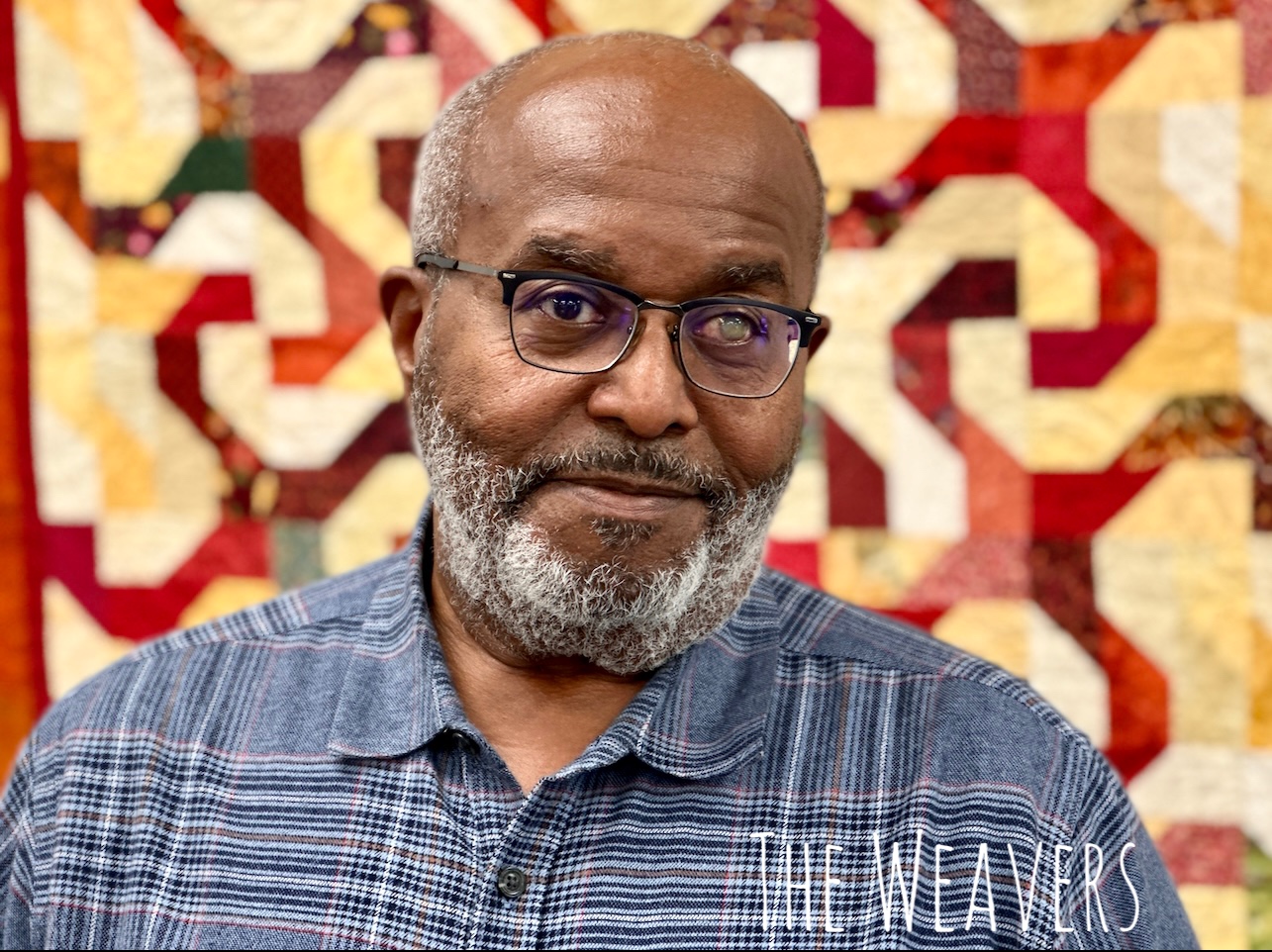
“After growing up in Brooklyn, I would never have thought Mobile would become my home. I was characterized as a gifted child. Excited about school, I wanted to start kindergarten when I was four years old. The minimum age was five, but my mom was head of the PTA and persuaded the school to let me in. On my first day, I wore a tie and carried a briefcase. I made my mother walk behind me because I didn’t want anyone to think I was a little kid.
From second grade to sixth grade, I took three buses across Brooklyn to a school in a white neighborhood because they believed it was a better school for me. I was the only Black boy in the class. I was skipped from seventh to ninth grade, and after graduating from high school, I started college at State University College at Buffalo when I was 15 years old. I was young but made great friends. My roommate is now the mayor of Buffalo.
I have been nicknamed the professor since I was a child, and my intention was to major in the sciences and go to medical school. However, I only had vision in one eye and often wondered what could happen if I spent all that time and energy becoming a doctor and lost my sight. I switched to business communications and became a television producer and a radio personality in Buffalo and Toronto. I returned home to New York for a job with public television, but President Reagan cut the funding for public broadcasting. I was the last hired and first fired.
I got a job doing office work and statistics for New York City Health & Hospitals Corporation while the landscape of healthcare was changing. I worked my way up to managing a variety of health care entities, but the lack of focus on quality patient care and attitude towards healthcare workers took a toll on me.
One evening I was driving home after work. The traffic to Staten Island was bad, and I was tired. I called my wife, and she asked what I wanted for dinner. Instead of the usual, ‘whatever you cook is fine,’ I told her I needed a vacation to somewhere warm. The next day we went to our place in New Smyrna Beach, Florida. During our vacation, I got caught in a rip tide and almost drowned. I made it back to the beach on my own, by the Grace God, but I thought I was dying. The overexertion broke down all of the cells in my body.
I was out of work for a year after that swimming ordeal and started doing consulting work in healthcare. I assisted in the development of new healthcare models and traveled around the country showing how to set them up.
I am a beach bum and kept returning to the beach. We flew into New Orleans and passed through Mobile driving to Florida, but never stopped. My kids started saying they liked it down south.
About that time, my dad passed away and my sister’s husband got a job in Mobile. My sister and mother moved to Mobile, and when I went to visit them I thought about moving closer. Living in New York, we didn’t talk much about Mississippi or Alabama, and my friends told me not to move there. My family prayed about it for about a year, and we moved to Mobile in 1998.
My parents had a global sense of community and we took in other cultures, foods, and ethnicities. My grandfather was a pastor, and we attended the church he started. When I went to college, he told me to find a church in Buffalo where I could become a part of the community. I had learned how to migrate and adapt, so moving to Mobile wasn’t hard.
My family also taught me that to whom much is given, much is required. I give back in four areas: community development, education, the environment, and economic development.
While I was working with Baheth Research and Development Laboratories, there were allegations of conditions contributing to high cancer and illness rates in the Africatown community, and we were asked to investigate. Our environmental site assessment identified carcinogenic elements from industrialization and environmental injustice. Historically, marginalized communities of color are too often in close proximity to industrial areas lacking proper governing and zoning regulations. If we don’t learn from the past, then we may fail to respond appropriately in the future.
I grew up around great jazz in New York. I met other jazz fans in Mobile and got involved with the Gulf Coast Ethnic and Heritage Jazz Festival and with the Mystic Order of the Jazz Obsessed (MOJO). Between the two, we have shared the genre and promoted education with jazz camps for kids and jazz events every month.
I recently accepted a leadership role with the Mobile Area Interfaith Conference (MAIC). Their leaders helped create the Homeless Coalition and start what is now Feeding The Gulf Coast. MAIC helps bring congregations and faith-based organizations together to raise awareness of social justice issues and advocates for citizens seeking to re-enter community. Our programs help the formerly incarcerated with housing and training for employment. We partner with healthcare and mental health providers to care for underlying trauma and substance use disorders. We want to help our clients heal and bring them back into relationships with their family and community.
As a broken vessel myself, I believe in second chances. Each of us has lived experiences and understanding that can help others. I relish the Dalai Lama experience to be the change I want to see in the world.
Many regard me as a community connector, but my gift is the ability to see what others cannot see and connect the dots. My kids are grown, but I still attend school board meetings because I care about the quality of education in Mobile. A failed marriage and divorce court became the catalyst to be concerned for young people. I started volunteering with at-risk youth and became a mentor and advocate for youth in the juvenile court system. Our kids don’t understand how their existence can connect with greater possibilities, but we can help them see their purpose.
The ministerial path I now travel is to use my time, gifts, and talents to be an instrument of The Most High God. The question for all of us is, ‘What am I doing for the least?’ There are people working with youth and homeless who are doing tremendous good in our community. It is easy to join them and meet people where they are.
I don’t know how much longer I have on this earth, but if this is my last day, I want to use it to glorify God and edify others. If I left someone else better off, then mission accomplished. I did what I was supposed to do.”
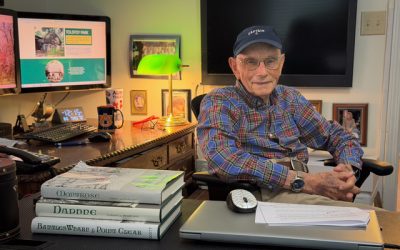
Dr. Raoul Richardson
—————————————
Dr. Richardson’s story is a part of a series about the Weavers—people stitching our communities together, solving problems, and showing how to care for our neighbors. Send a message to Our Southern Souls to nominate a Weaver from your community to be featured on Souls.
0 Comments