“I was born in Seminole, Oklahoma. My ancestors moved there from Mississippi after the Civil War. They ate all of their seed corn, then moved to Oklahoma because they were starving. They leased land from the Indians and tried to farm. My dad was born in 1919, and his family was still farming in the 1920s. His parents were dirt poor, and he went to bed hungry many nights.
Dad served in World War II and met a Jewish fellow who was going to optometry school. The guy explained it, and Dad said, ‘I think I’ll do that.’ He was unmotivated until he married my mother. When you fall in love and have a child, you get more responsible. He buckled down and did well. He was an honest, wonderful man.
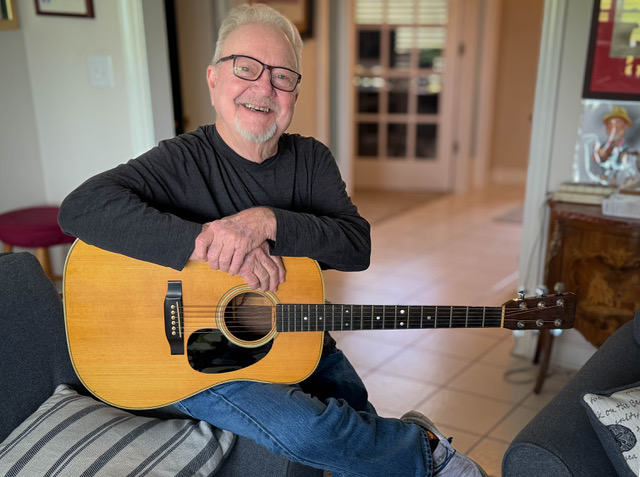
Dad played guitar, and I learned from him on his old Kay guitar. I saw Ricky Nelson singing a Fats Domino song on TV, and the girls were screaming. Dad picked up his guitar and played along. I was 13 or 14 and asked him to teach me. My parents thought it was just another one of my hobbies—like leathercraft, coin collecting, and raising pigeons.
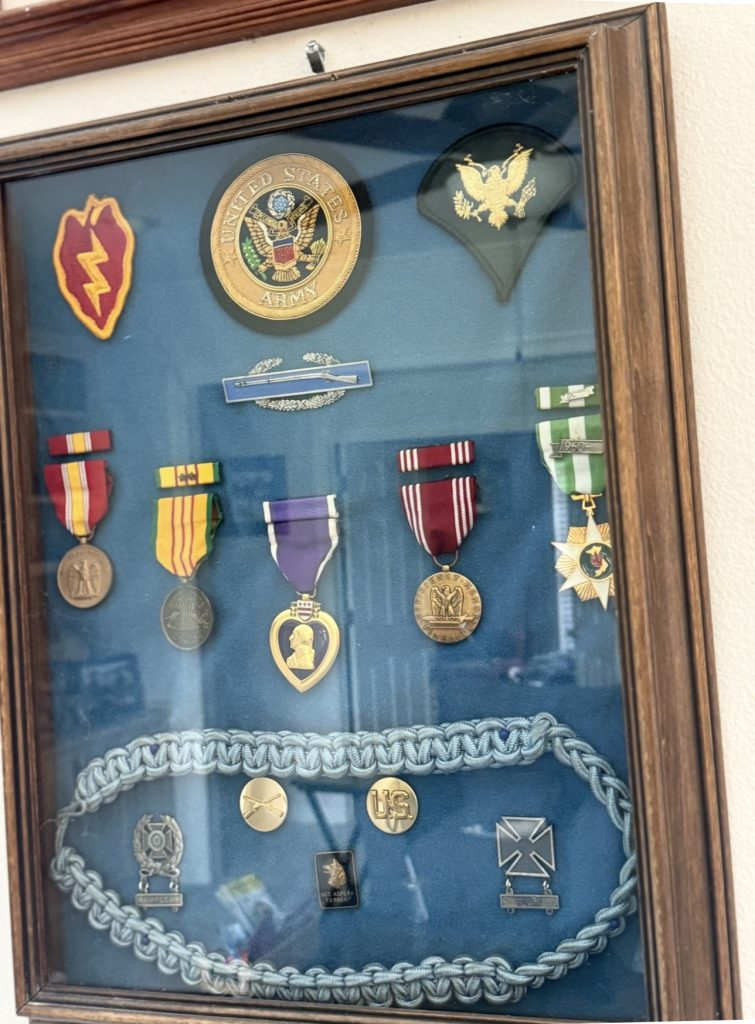
I was drafted into the Vietnam War in 1968. I flunked out of college and knew Vietnam was coming. I picked my enlisment date so I could have a couple of months to party with a buddy. We took a big road trip––Arizona, Texas, Oklahoma, California––and then entered the Army.
I went to Vietnam in ’68 as a replacement after the Tet Offensive. I knew it because of the helmets on rifles in a ceremony when I arrived. I was 19 and naïve. I was in the infantry, living in the jungle 99% of the time and running search-and-destroy missions. When we found a tunnel, someone had to go in with a .45 and a flashlight. I’m claustrophobic. I had one bad experience and never went in again.
I was wounded within three and a half months near the Cambodian border. After that, I knew more about Army hospitals than the infantry. I spent almost three years in hospitals—21 months at Fitzsimons Army Hospital, then a year at the VA in Phoenix. I had all my limbs, which was rare. They re-broke my leg and put in a rod. I got an infection that lasted two years and almost died a couple of times from sepsis. My leg was still mangled, but I got through it. A lot of guys didn’t. ‘Back in my other life’ is what I call Vietnam. If I ever found the guy who shot me, I’d shake his hand. I don’t have bad feelings toward the Vietnamese—just toward the politicians who sent us there.
After the Army, I played in bands and recorded a little. I had a novelty hit in 1980 called Cheaper Crude or No More Food. Paul Harvey played it, and it blew up. I ended up on Hee Haw, The Mike Douglas Show, and Real People. It got me to Nashville in 1980.
You can’t make much money in Nashville as a writer, so I hit the road to support my family. I had a good following on the Gulf Coast and split my time between there and Nashville. I didn’t accomplish all I wanted in Nashville, but I learned a lot and made friends I still write with today.
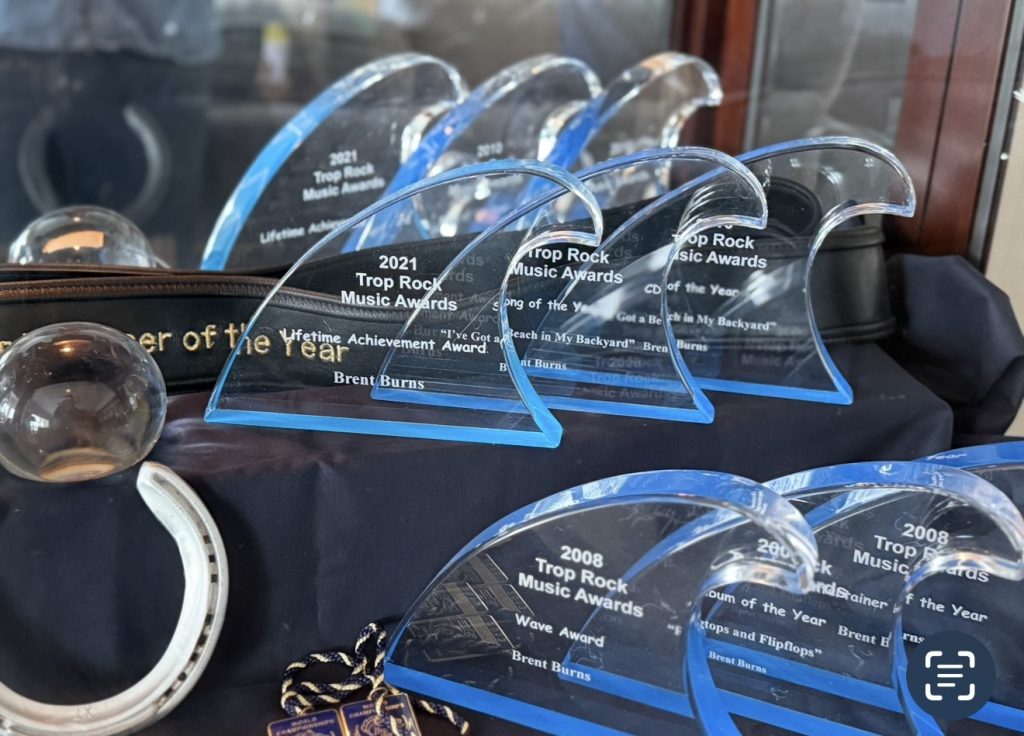
Songwriting starts with an idea. One song idea has rattled in my head for 50 years. Sometimes a song falls out, other times I have to keep hammering on it. My most requested song is Dead People’s Clothes about a guy who works in a thrift store. Songs are short stories, and the challenge is to make them believable but not trite. Most of my shows are lighthearted with songs like ‘It’s snowbird season, why can’t we shoot?’ I mix in a few serious songs, but my job is to make people laugh. I even do a whole routine about my ‘two ugly sisters.’
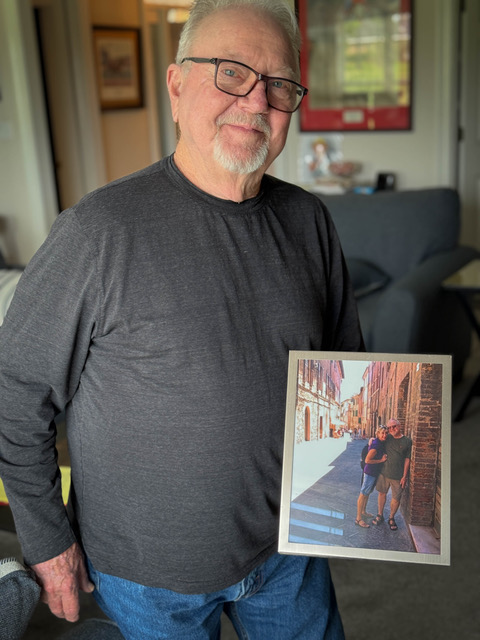
Music has taken me places I never would have gone. My late wife Pam and I traveled Europe a lot, and I take groups of fans on trips around the world. I love watching people have a good time. I’ll buy a cheap guitar overseas, use it for shows, then give it to someone who helped us before I leave.
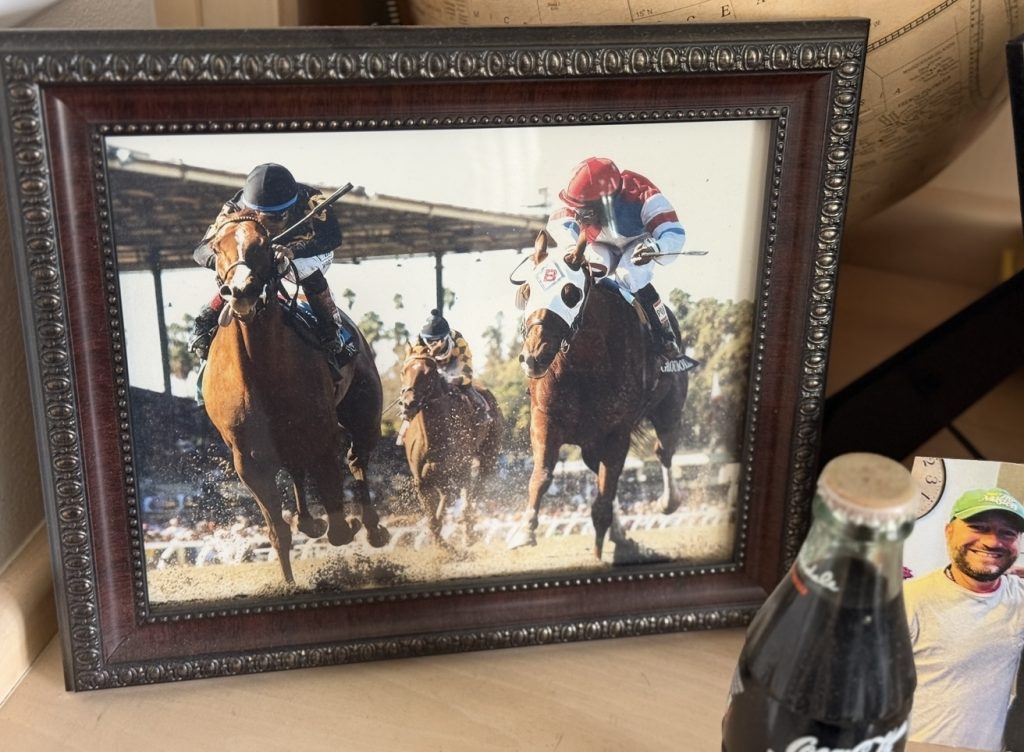
I was also in the horse business. I was a part-owner of Groupie Doll, a two-time world champion. She outran her pedigree. We sold her because we couldn’t afford to keep her.
During all of this, I walked with a cane for 25 years because of that leg injury from Vietnam. No one wanted to replace my hip—they were afraid the old infection would come back and kill me. The doctor told me I needed to see a spinal deformity specialist. I’d never even heard that term. I found a doctor in New York who said he’d do the ten-hour surgery. They opened me up a few months ago, straightened me up, and put my spine in a titanium cage.
When I woke up from the surgery, the first thing I did was wiggle my toes and fingers. I said, ‘Thank you, God.’ At my age, some people don’t wake up from surgery. But my back doesn’t hurt. I can stand up and that old pain is gone. What a blessing. Now my foot is causing me problems and slowing down my recovery, but we will figure it out.
I haven’t picked up a guitar yet, but after 60 years, I better still be able to play. I’ll be back at Lulu’s on Monday nights starting in October, then the Shrimp Festival and the big Parrothead event. People are counting on me. I may be on a gurney with a wireless mic, but I’ll be there. My motivation is still being excited about the next show.
What’s the alternative to not being hopeful? That’s not helpful. Believing you’ll get better, doing your part, exercising, eating right—anything else just works against you. I’d like to think I’m going out kicking and scratching, hanging on. If I die young, it’ll be my doctor’s fault.”
Brent Burns
Here’s the song Cheaper Crude or No More Food
Here’s a race with Groupie Doll
0 Comments