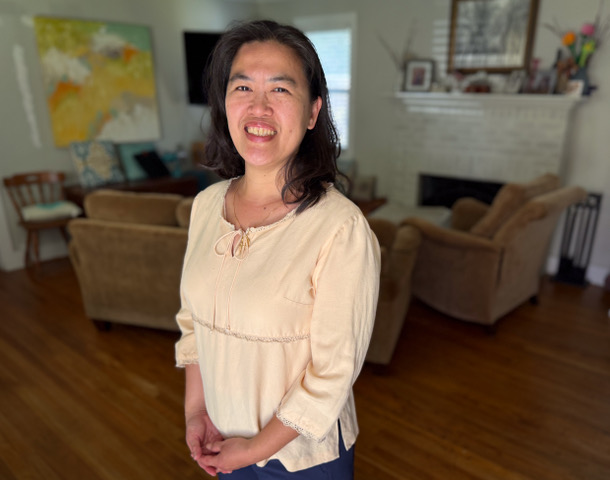
“We got out of Central Vietnam on barges during the Vietnam War. Dad was a South Vietnamese officer who worked closely with the Americans on special missions, so we had to leave. All I knew as a child was that he was a secret serviceman, our hero.
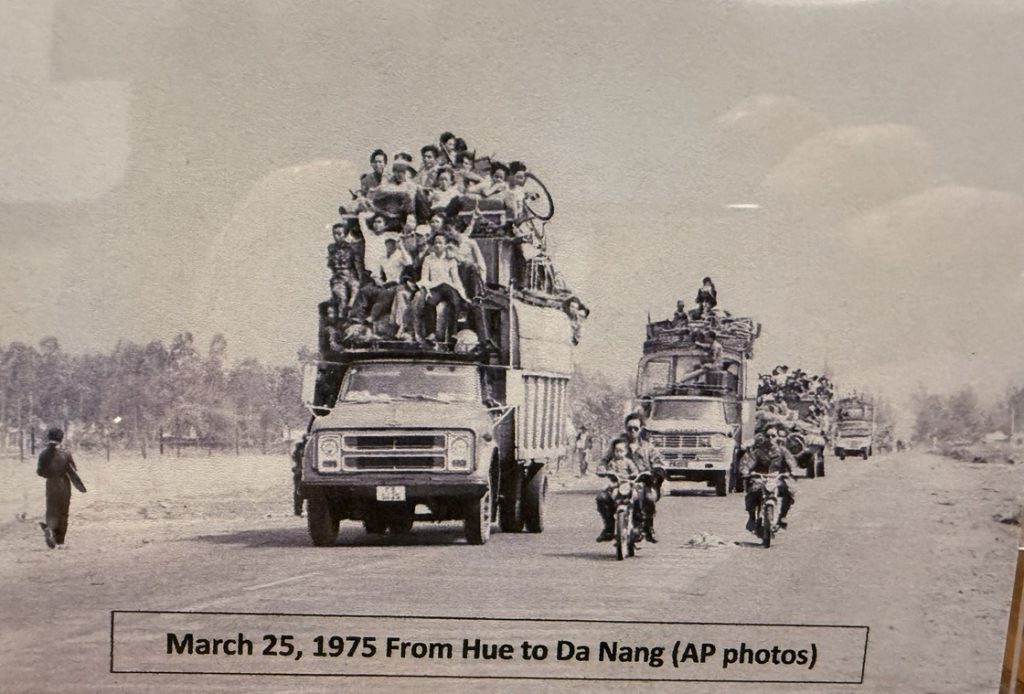
The most challenging part of our escape was the journey from Da Nang to Saigon, traveling on Vietnamese cargo barges with high walls that protected goods and materials from the spray of the rough sea. As the family was climbing the walls to get on the barges, my dad, an ARVN NCO officer, was still on the shore completing his last mission: destroying everything before the communists got to it. My oldest sister was nine and recalled seeing my father trying to come back and get on the barge. He didn’t make it. She was bawling, thinking she would never see him again. My dad thought the same thing.
We floated into the South China Sea from the bay. My grandfather, aunt, and two cousins were also with us. We were at sea for three days and nights with no food or water. It was pitch-black at night with no moon in sight. Everybody was dehydrated, and many died from drinking the seawater. My mother and my oldest brother, the smartest ones in our family, knew not to let us drink the salty seawater. They had us save and drink our own urine.
So many people died from dehydration that we moved to another barge. My second-oldest brother was 12 and the strongest, physically, in our family. He climbed up the walls, carrying each one of us over to the other side. Rows of barges were tied together. My brother said the hardest thing was not being able to see. He listened for the two barges coming close together before jumping, praying to make it to the other side. My brothers recalled hearing some people falling in, by the crunch of skulls. It was terrifying because they couldn’t see.
Rain came on the third day and quenched our thirst. We made it to Saigon. My father also made it. He searched over the dead bodies on the shores when he arrived, thinking we didn’t survive. By the grace of God, we were a family again.
We were some of the lucky ones to leave earlier in the war during the Hue-Da Nang campaign. I’m the youngest of eight kids and was a baby when we left our hometown, Son Tra Da Nang. My oldest brother was 15. My oldest brothers and sister remember the journey well.
We were part of Operation New Life that began in April 1975. It was the second evacuation operation of the war, right before the fall of Saigon. We went to the Philippines by ship, then flew to Guam. We stayed at Orote Refugee Camp; our immunization records show we were there in May. My grandparents and aunts decided to stay in Vietnam.
It was time to leave Guam, and the Americans gave us a choice of several places in the United States. My dad and oldest brother looked at the map and chose Florida; it’s the furthest south and the closest in climate to our country.
Our first stops in America were Eglin Air Force Base near Fort Walton Beach in June 1975, then Pensacola. Catholic Social Services contacted Duncan and Alice Turnbull of Point Clear, Alabama and asked if they could sponsor a family of ten. Alice wanted to help, but not a family that big. But she hung up and prayed about it. She called her husband, telling him, ‘Pack the car. We’re going to help this family.’ She called Catholic Social Service back and said, ‘We’ll take them.’
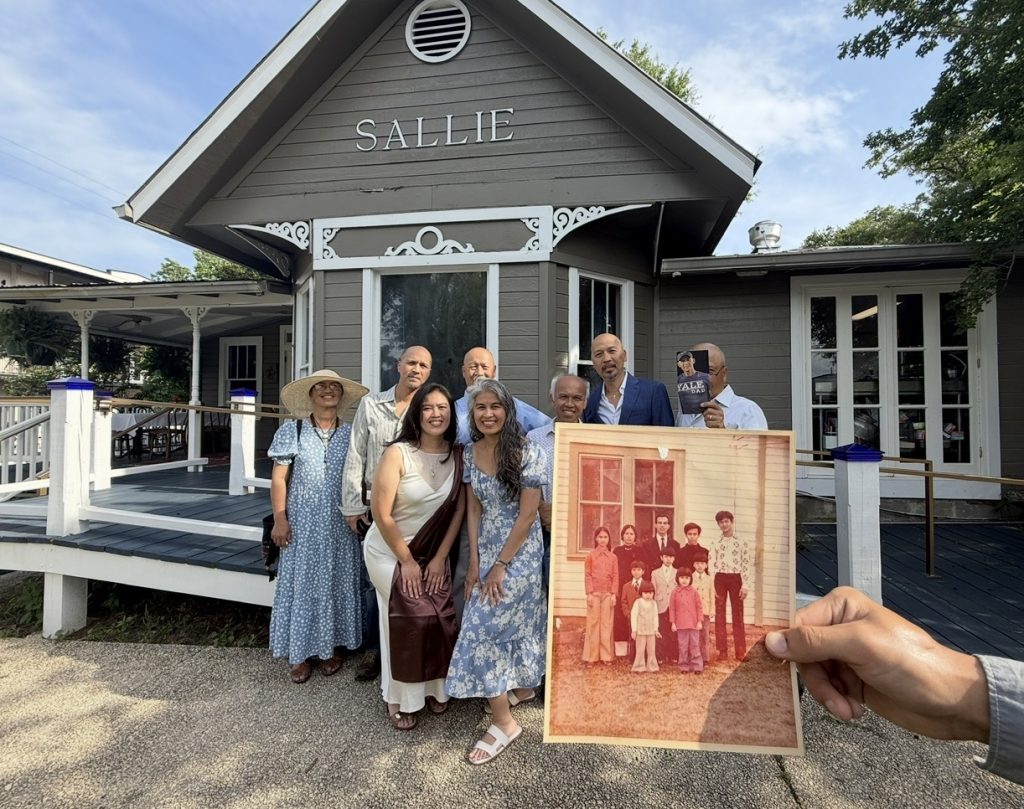
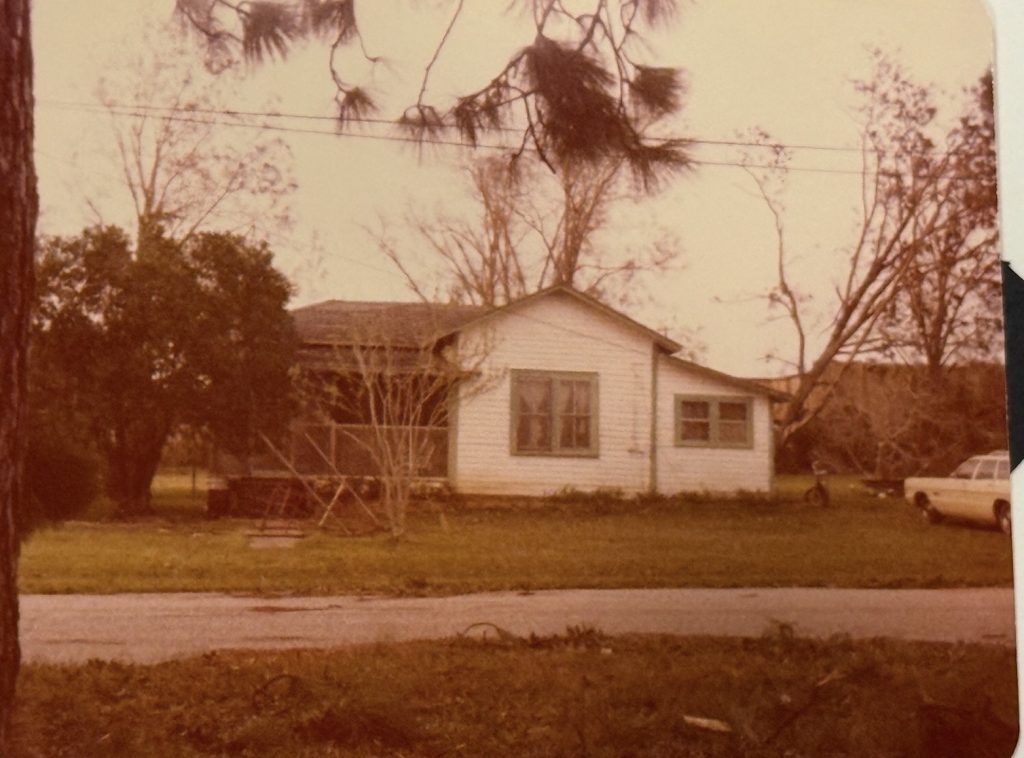
Duncan Turnbull was paralyzed from the waist down in a motorcycle accident as a young adult. He was a real estate agent and found us a home in Fairhope that we rented from him once my dad made some money. The small house had three bedrooms and one bathroom with no central heat or AC, but the big yard had three pecan and two fig trees, two azalea bushes, and a big banana magnolia tree in the front. We picked the pecans and walked them to Schermer Pecan Company to sell them. It was located at the corner of Fairhope Avenue and Bancroft, where the Fairhope Library is now. That house is now Sallie, a fine dining restaurant on the corner of Pine St and Bancroft.
The Turnbulls were the only grandparents ‘us younger kids’ really knew. Duncan and Alice were in their 50s and 60s when they took us in. When Alice died, that was the only time I ever saw my stoic father cry.
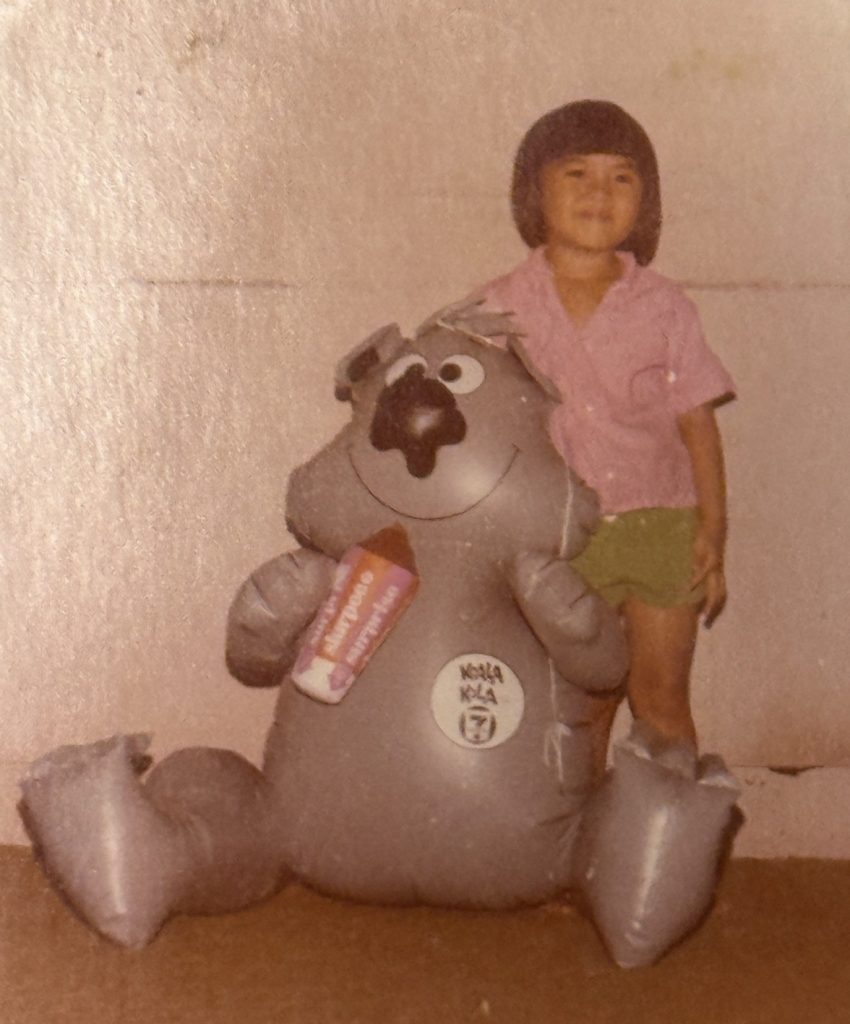
The Mike Ford family also played a huge part in our lives. His wife, Dorothy, made sure every one of us got Christmas gifts–she was Mrs. Claus to us. We were part of the St Lawrence Church family, who also took good care of us. One year, I received a package with the most beautiful blue wrapping from a mysterious giver; I couldn’t wait to open it on Christmas day. It was a China doll dressed in a pink shirt and green pants. I never found out who gave it to me, but I always tried to be good in church just in case that person was watching me. That taught me to give without expecting anything in return, not even a thank you.
There were about 10 Vietnamese refugee families in Fairhope when we first arrived. Most of them moved to New Orleans and the bayous for better-paying jobs. My mom didn’t understand why my father didn’t choose to go with them; he knew Fairhope was a better place to raise his children, even though he and my mom were starting from scratch to make ends meet.
Mom was a Vietnamese opera singer, and Dad was a respected military officer in Vietnam, but here they worked cleaning yards and homes, and selling pecans and aluminum cans. I have memories of my mom working at Baron’s Motel. Sometimes, I would help change the sheets and clean the toilets. I loved going with her.
My dad started working in restaurants as a dishwasher. One of his full-time jobs was at the Pizza Pub in Daphne, around where Southern Napa Wine is located. He knew nothing about cooking until he came to America, but he moved up to assistant chef and then head chef. One of our best memories was when Dad would bring home leftover burgers from work, the best in town with onion buns, and the best spumoni ice cream you ever tasted.
Then my father worked as the chef for Gambino’s restaurant in Fairhope. Working at these two restaurants helped him open Twin Oaks Steak and Seafood Restaurant, located where King Fisher Restaurant is in Battles Wharf. We also had an oriental buffet during the day from 1985 to 1993.
We bought our first home. I became a citizen at 18, and my parents became citizens shortly after. They were so proud the first time they voted–they voted for Mayor Kant, who was a member of our church. Faith and freedom mean so much to us. My mom didn’t speak English very well, but she loved singing patriotic songs like ‘God Bless America’ in church.
Fairhope was a good place to grow up. By the 1980s, we were the only Asian family living here, but we felt at home. It was almost like we lived in a bubble because everyone was so kind,not only to us, but to the Veterans. As a kid, I thought everyone was happy about the Vietnam War because America was so welcoming to refugees. I didn’t know the controversies of the war until I was much older.
When I became a Physical Therapist, I worked on many veterans, including at the VA in Bay Minette. There were amputees and those with PTSD from the Vietnam War. I’m amazed at how kind they were to me. I hope I helped them heal as much as they helped me. I was lucky to meet and treat these veterans.
One veteran told me, ‘If I could save one life, then it was worth it. I’m glad you and your family are here and safe.’ Veterans who fought in Afghanistan and Iraq said the same thing.
Nobody wins in a war except the leaders. People take advantage of others when they are down, creating divisions. It’s still happening now, but you can’t lose hope. We have good people who make this world a better place.
I want veterans to know that their effort was not wasted. Even though the US lost in the Vietnam War and it was tragic, some good came out of it. They saved us and so many people. It made a difference and will help the next generation.
That’s why I have written our story, once told by my parents and older siblings. I read it at our 50th Anniversary celebration of the Vietnam War and of us living in America. We celebrated at Sallie’s Restaurant, our first home. I want the kids in our family to never forget where we came from and to appreciate the privilege of our Freedom. One day, I’ll make my trip back to my homeland and share it with the kids in our family.”
Loan
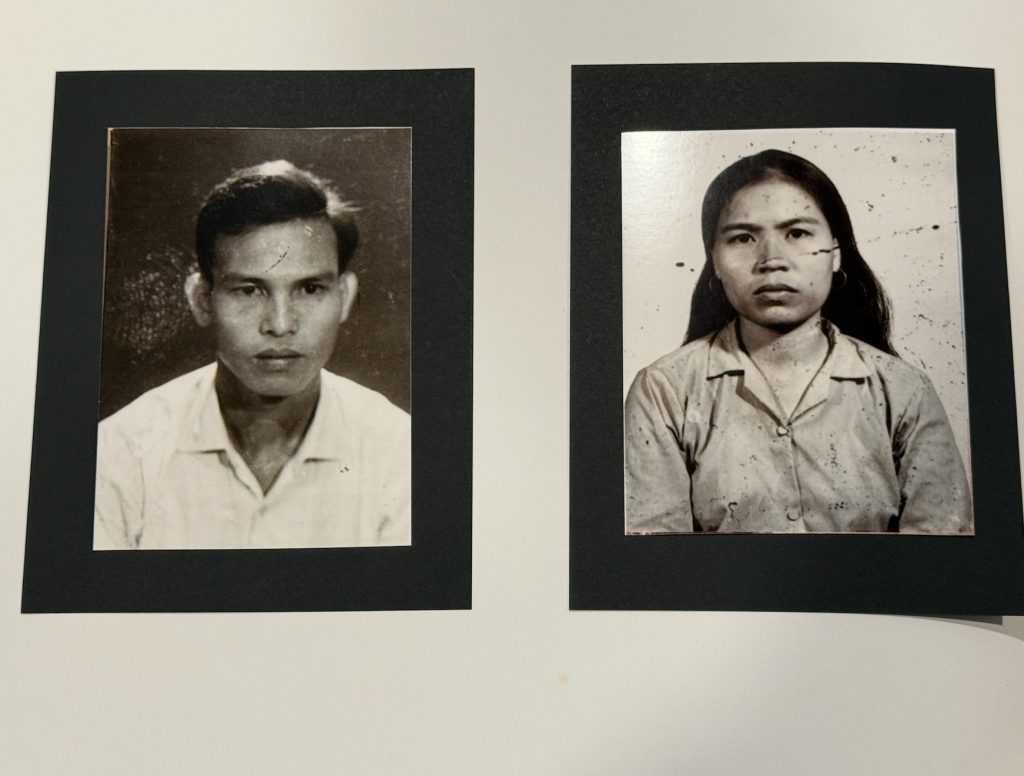
Bonus story: “Another good thing that came out of this war. My dad met my mom when she was in jail. It’s the opposite of what you’d think. Dad worked for the South Vietnamese military; Mom was an opera singer. She sang for a Vietnamese group that travelled and performed around the country. In Dad’s earlier career, he protected the President in South Vietnam and tried to get rid of any Viet Cong. My mom’s group had sung for the Viet Cong without thinking anything of it except that they were making ends meet. They had no political sides. The group was arrested and suspected of being spies for the Viet Cong.
Women in Vietnam shaved their arms, so Mom shaved her arms before she performed. Her hair grew back while she was in jail. She told me, ‘I thought your dad was so handsome and sweet. I tried to cover my arms every time he came by.’ That’s how my parents met. She got out, and they fell in love and got married. That’s the beginning of my big family.”
Bonus story 2
‘My oldest brother’s children went to Vietnam this year and visited our hometowns of Hue and Da Nang. They saw the church my parents and brother attended in Hue when he was a toddler, and the location of my parents’ first home in Hue before they moved to Son Tra Da Nang. It was an emotional trip for them, and they felt the struggle my parents went through to leave their homeland.”
0 Comments