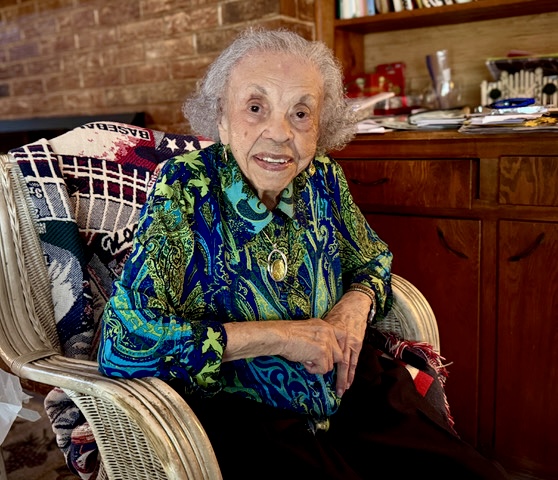
“I was born December 18, 1924, and I’ve lived in this neighborhood in Mobile my whole life. We started on Maryland Street, then moved down where the Seals Community Center is now. I’ve seen a lot of changes here.
There were five of us kids. My sister and I were the oldest, two years apart. I was about three or four when we came back to Mobile from Chicago. My daddy had gone up there to do plaster work. He was a craftsman—he built us a playhouse with his own two hands. He also did the plaster work in the Saenger Theatre. I was proud of the work he did there. We could go to the theater, but we had to sit upstairs, in the back.
My mother cooked and took care of us. I loved her red beans and rice. On Sundays, Mama cooked breakfast for the hoboes who came through on the railroad. They sat on the steps and ate with dignity. I still have one of her big boiling pots she used to wash clothes.
We lived in a big house, and some of our neighbors were Jewish or fishermen who shared their fish. My aunt made clothes, and we would pump the pedals for her. We were always busy and didn’t get into trouble. Neighbors would give me a dime to run errands, and I would walk to town three times every Saturday. People were good to you back then.
Broad Street was a dividing line in Mobile. The Pollman’s Bakery side of Broad was white, and we didn’t cross that line. We knew our place. Everything on our side of Broad was called Down the Bay; we went to Malbis Bakery across the street from Pollman’s. All the industry was down this way, too. That’s where the opportunity was, if you were lucky and willing. Most of the Black people here worked down at the riverfront and on the banana boats.
Baseball players like Satchel Paige were from this area called Down the Bay. All the musicians came from down this way, too. They lived around Charleston Street, that’s where they said they learned how to blow those horns.
The area changed when they built the interstate through Down the Bay. Most of my siblings left Mobile and the South. My sister met a fella in the service. He was from Texas, and she left with him. I could’ve moved to California with my uncle’s family, but my father said I would stay here with my mother. I kept the children together.
I went to school at Mobile County Training School with everyone from Africatown, including Cudjoe Lewis’ grandchildren, Mary and Martha West. I walked with my daddy to catch a bus or streetcar. That’s how I got to school. Our principal, Dr. Benjamin F. Baker, was ahead of his time, and the school was a beautiful place with beautiful behavior. There were smart children and leaders there.
I became a teacher and taught for 40 years. Taught everything: civics, government, manners, life, and respect. Dr. Baker had recruited teachers with degrees for Mobile County Training School. I helped the new teachers coming in and taught them what I knew. We had housing on the school campus. Teachers got to school with other teachers who had a car. If you had a car, you had about four people in it. There was a lot of respect, and the children tried to emulate us. They all wanted to be teachers.
When desegregation came, everything broke loose. They took all the good teachers from Mobile County Training School to go to the other high schools. I was moved to Vigor High School. We had a hard time adjusting. White children had no respect for us. There was fighting every morning. We didn’t know if school would start until everything settled down. It was a bitter pill to take.
During the summers, I went to school at Tuskegee University. George Wallace was in his glory then. I’d be the only one on the bus, and they still rushed me to the back. I got paid $600 for summer school and used that money to keep going to school on weekends. Getting an education wasn’t easy, but I did it.
In life, it’s not about Black or white. I understood where my students came from and what they were up against. I would let students work in the cafeteria for a free meal, as long as they got to class on time. When a girl got pregnant in high school, most folks washed their hands of her. But I’d go get her. I helped them get to Xavier and Tuskegee. I taught my students how to dress, how to speak, how to do chores, and how to greet people at a party. They learned not to run from people.
I also helped students apply for college and paid their application fees. Got them into Bishop State, or other programs, and out of Plateau. Some graduated from West Point. I’d do anything to help them get a better life. Teaching was a kind of ministry. My students still come to me on Christmas and birthdays.
I never wasted time at school. While some teachers sat in the lounge, I was in ceramics class, making umbrella stands and vases. I have a few around my house.
After I retired from teaching, I worked 16 more years part-time at Bishop State for Dr. Yvonne Kennedy. I always got along with everybody. That’s how I live.
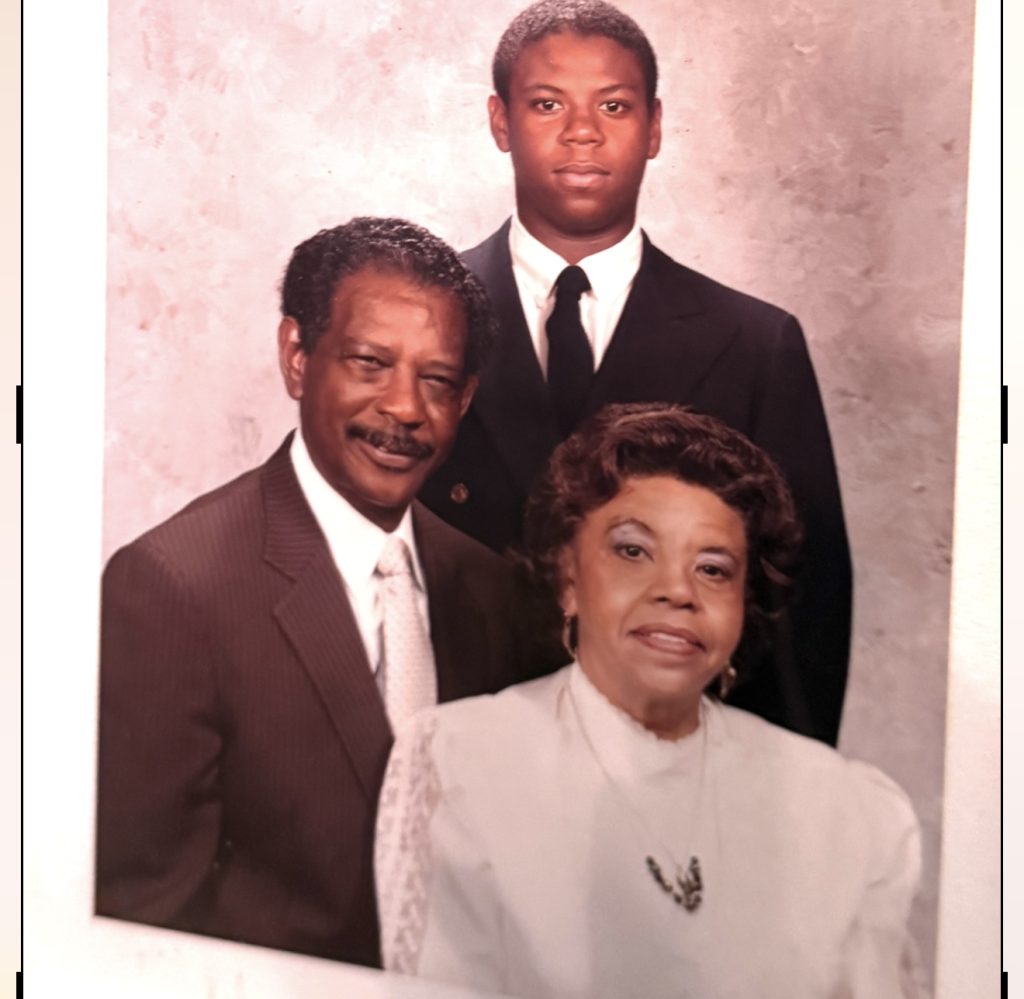
I was married for 40-something years. My husband worked at Brookley and later opened a cleaners. Our son, Gerard, finished at Alabama and came back to help him.
I’m 100. The only problem I have is walking. I’ve got aches, but I’m relatively healthy. I don’t complain. Everybody is so good to me. I don’t need anything. I have a prayer room in my house. I go in there and thank the Lord for waking me up another day.
I have always been a party animal—I love to have parties. My sister used to say, ‘You’ve got a house by the side of the road. Everybody stops here.’ And they do. I get so much company, and they give me so much. The love comes back to me.
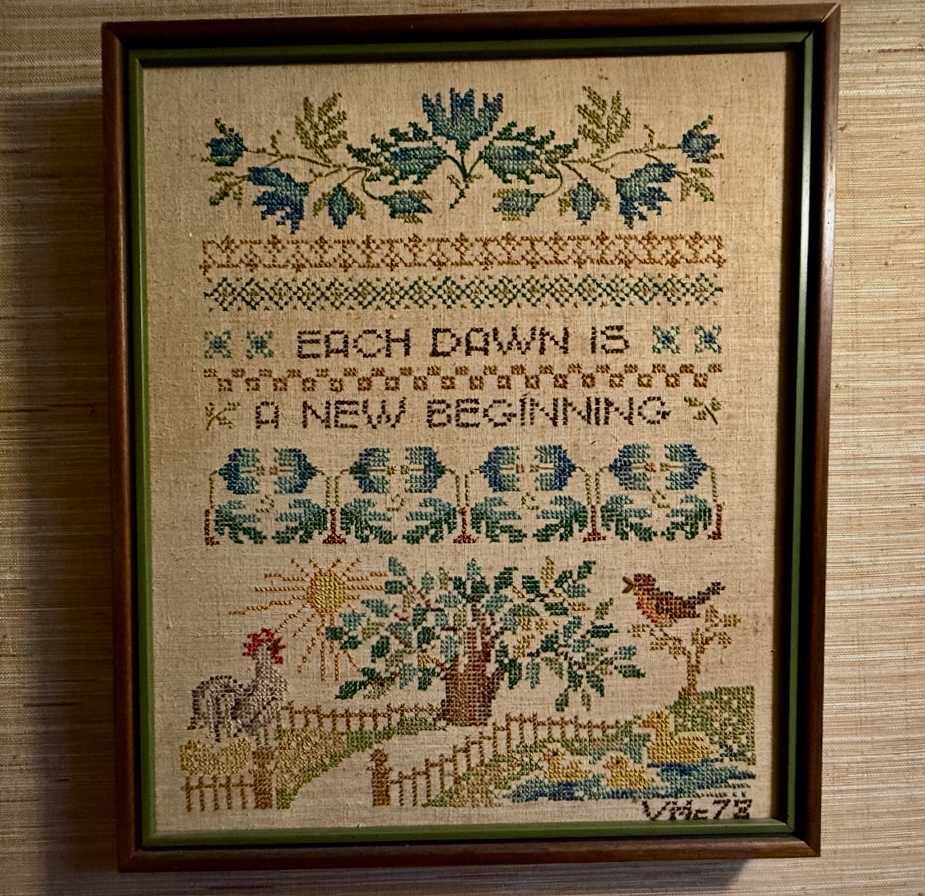
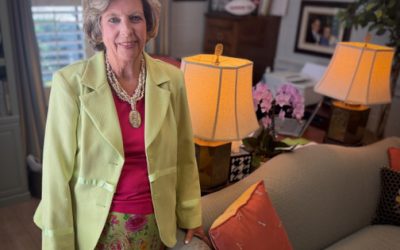
My house is my memoir. See that cross stitch on my wall? It says, ‘Each day is a new beginning.’ I still believe that.
That’s the story of my life. It’s some story, isn’t it? I know I am blessed.”
Valena McCants
Mrs. McCants: I remember you as a Guidance Counselor at Vigor HS, when I was there from 1982 to 1986. You were a blessing to our school. I thank GOD for giving you a long and fruitful life. Please preserved these stories.
I love this article, thanks for taking the time to share Ms. Valena’s story. She is as beautiful as she is wise. I’ve learned so much from her. She encourages and uplifts all the children she meets. She encourages them to read and to get an education. Thanks Ms. Valena for all the life lessons you’ve taught.