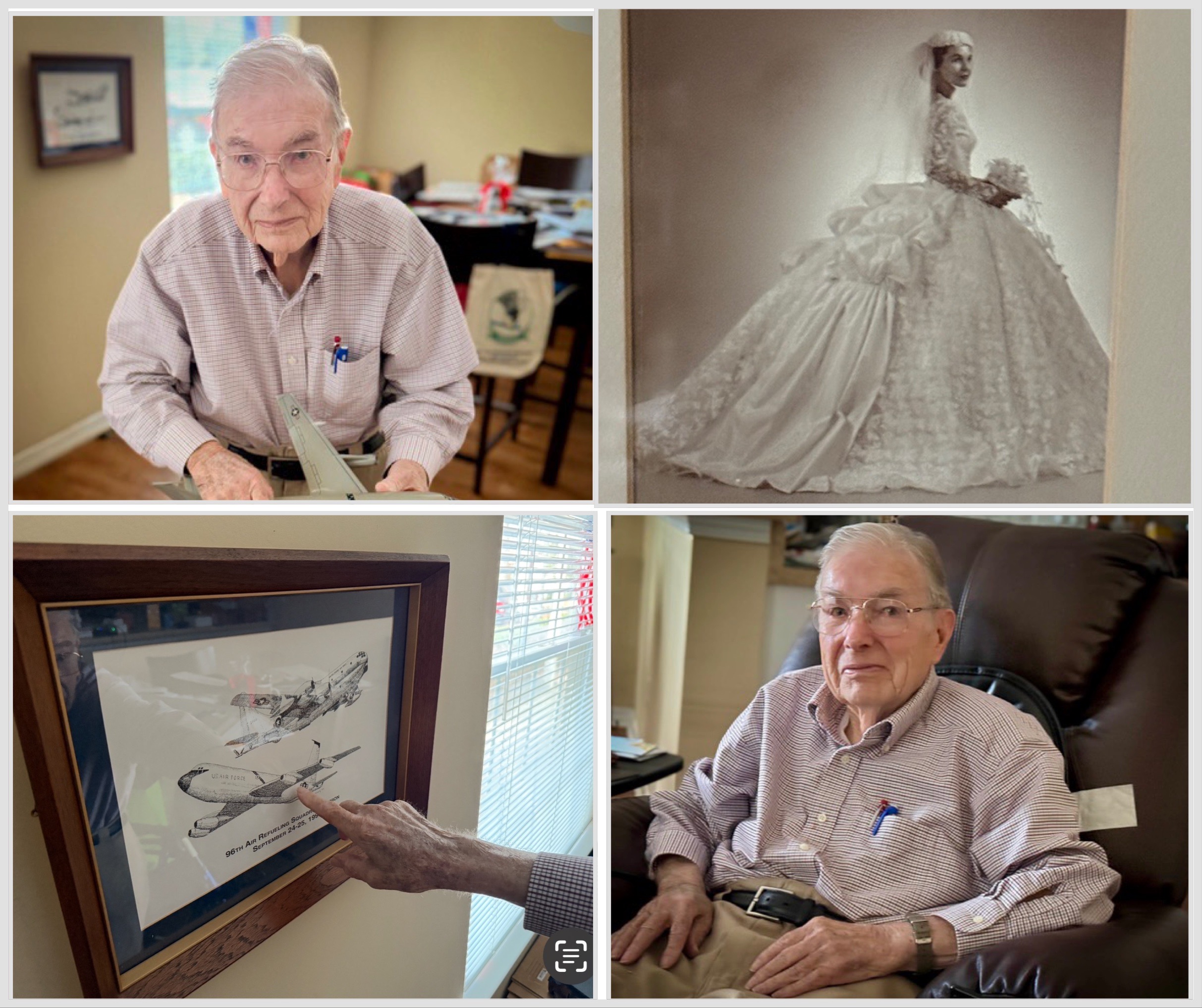
“I grew up in Drew, Mississippi. My dad died when I was four years old, and my mother raised me. She was a school teacher and a businesswoman with a lot of energy. She’d go after anything. She took the insurance from my dad’s death and bought a 400-acre farm in the middle of the Mississippi Delta. The topsoil is like ten feet deep. We still get payments from farmers renting our land.
I was in the ROTC at Mississippi State and graduated with a commission from the U.S. Air Force. I never looked back. I was assigned to Mountain Home, Idaho. Put a Mississippi boy in Idaho–he freezes his ass off.
I was a maintenance officer, getting planes ready to go. I was a ground pounder but could see guys flying and getting flight pay. I applied for flight school, but it was full. I could leave the service for a few years until there were enough openings to put me in, or I could go to navigation school right then. I became a navigator, sitting behind the pilot and telling him where to go. It was like riding a bus. I had a rating of master navigator and did that for almost 20 years.
I was stationed in Hawaii for four years and then sent to an American base in northern Thailand for the Vietnam War. The king of Thailand was scared to death of the Communists; he gave the American Air Force big air bases down the length of Thailand to be a buffer against them coming in. My base was already populated with no quarters left, so they gave us money to rent something a couple of miles from the airbase. I bought a motorcycle to go back and forth.
I had an oddball assignment. We were assigned to the 432nd tactical fire wing, but I was in a cargo plane with an airborne command post in the back–talking to the guys on the ground.
We stayed at the edge of the firing zone so we didn’t get shot down. We were the gateway for reconnaissance to take pictures of what the fighters were doing on the Ho Chi Minh trail–it was like the highway for the Viet Cong. The squadrons of tactical fighters took off from Thailand, and then flew over to us to get their marching orders. We supposedly had the latest information about where the fighters were needed. They took off with orders, but if there was a need for something else, we diverted him to someplace else along the trail. The fighter planes went into a mountain pass or a river crossing–anywhere they could find a vulnerable spot–fire and go home. The Viet Cong worked all night putting the Ho Chi Minh trail back together. They had tough guys who owned sections of the trail and existed despite of our efforts to root ’em out
We dropped listening devices that looked like canes into the ground. The planes flying over could pick up conversations and tell if somebody was on the trail. We also had people who went and stayed for two or three weeks. The pilots who dropped them off and picked them up were called the Pony Express. They were trained to fly large planes but became helicopter pilots in Vietnam. You never knew who was on the ground waiting for you. A lot of times, the guy on the ground was in a rear action, shooting people chasing him so he could get to the pickup point.
We also had an aircrew rescue and recovery system with a helicopter painted green and nickmaked the Jolly Green Giant. We weren’t far from these rescues, and I listened to the radio. There was one 12-hour sortie where they were trying to get a pilot out. They would in a plane and got shot at. They’d send the fighters to wipe out the shooters and quiet things down. Then they’d send the Jolly Green Giant. He’d get his ass shot off and away he’d go. After 12 hours, they said, ‘Put it to bed. We’ll get him tomorrow.’ Which they did. The Jolly Green Giant pilots were very popular and never had to buy a drink in a bar.
It was hard to tell whether the war was ending or beginning. We were vaguely aware of the opposition to the war at home, but we didn’t give a damn. We endured the war until we could go home.
I was promoted to major on the way home from Vietnam and went from Hawaii to Pennsylvania. The Air Force had an interest in an underground facility that was like an underground city. I worked there the last years of my Air Force career. I was in the Air Force for 40 years and retired as lieutenant colonell. But I am most proud of my marriage to Martha.
I met Martha when I was stationed in Oklahoma, but I would go home to Drew to visit. My brother’s wife set me up on a blind date with a woman she taught school with. Martha’s response was, ‘Well, I’ve got nothing better to do.’ We went to the VFW club in Ruleville. They had music, dancing, and a slot machine. We got married in a big wedding that was a good running start. Martha taught piano lessons on the side. I would come home and hear little fingers playing Gus the Grasshopper: plinkety, plinkety, plink.
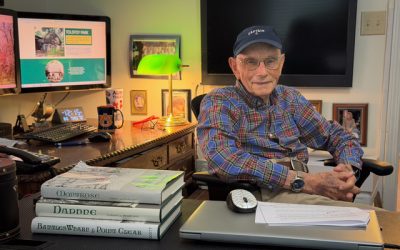
I’m 93. I lost Martha about ten years ago. I had some experience in the service being by myself, so going on my own wasn’t a complete slap in the face. But I was up there in Pennsylvania–what is a southern boy doing in Pennsylvania? My brother lives in Mobile, so I came here to be close to him. I picked Fairhope because this is a breeding ground for retirees. Now I’m one of them.”
Nick
(April 30 is the 50th anniversary of the Fall of Saigon. This month, we are sharing stories of Vietnam Veterans to remember the war.)


0 Comments