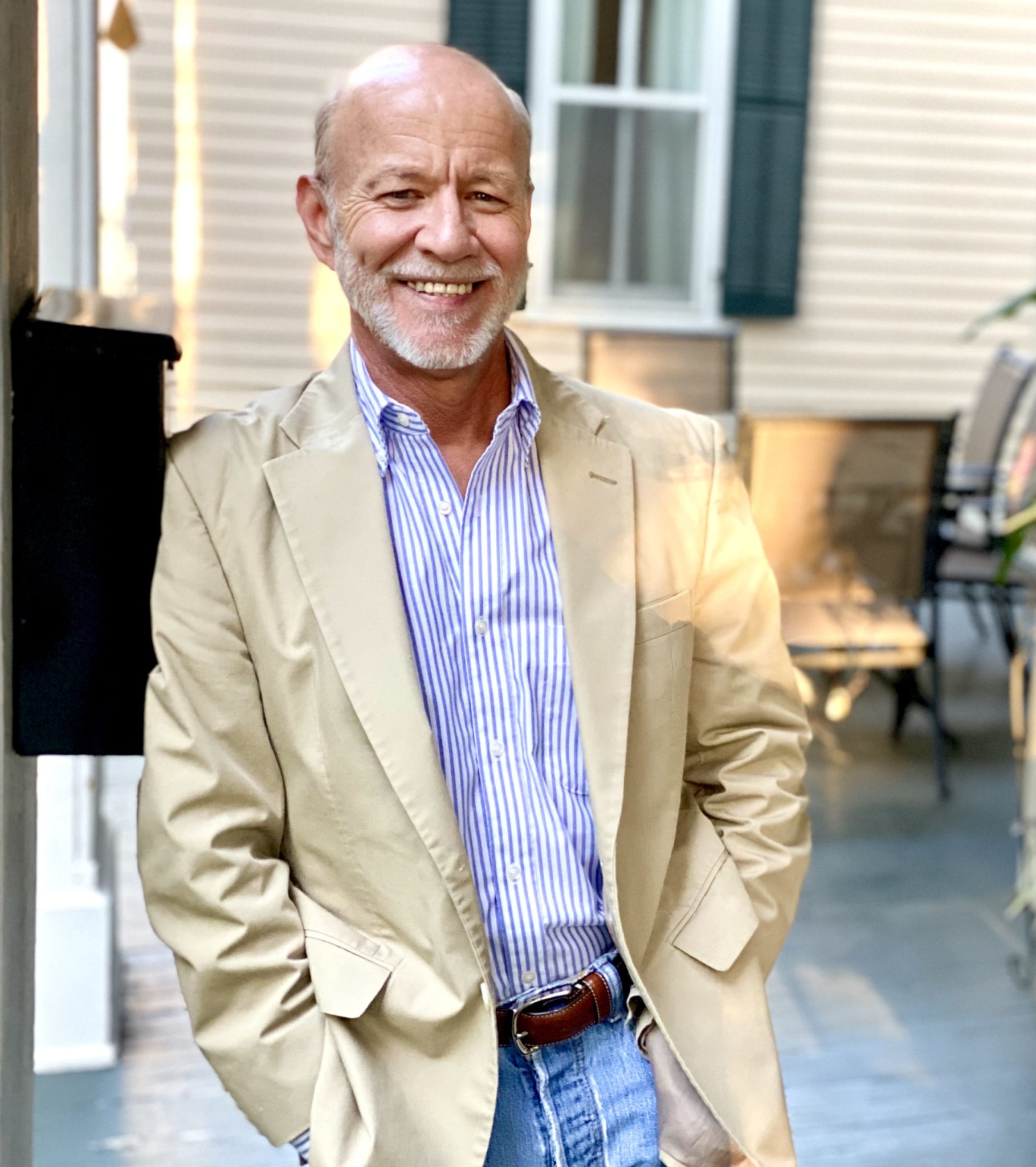
“I was about 12 when I picked up a clarinet for the first time because I liked the way the case looked. I joined the band and was last chair all year long. My parents were going through a bitter divorce. As their problems became worse, I retreated into the clarinet. We had a big house, with a bathroom that was far away. The acoustics were great and I practice there for hours and hours. My mother had the great foresight to know I needed private instruction. We lived in Hattiesburg and I went every day after school to lessons at the University of Southern Mississippi. I once dreamed of becoming an architect, but I was terrible at math, so playing the clarinet became my education.
My mother and father were always supportive of my music. My mother died in 1986, so I moved to New York and thought I would just study. My uncle was a successful Broadway producer and we visited him in the summers, so I was familiar with New York. I had no plan or job, but I had a clarinet teacher and thought it would all work out. I moved May 10, 1987, and found a cheap sublet, and got a temp job. That year was a blur of scotch and more scotch. It was New York in the eighties and Ed Koch was the mayor. Oh God, it was awful.
I went to the Aspen Music Festival in the summer of ’88 and met people from Juilliard who encouraged me to audition. I called the admissions department and spoke to a lovely woman who said there were no openings, but gave an audition date. I auditioned and they opened a spot for me. That is how I ended up at Juilliard. I still remember the phone number for admissions.
My dad didn’t fully understand what I was doing, but he was supportive. He would take the Crescent train from Hattiesburg to New York City with an ice chest filled with ham, turkey, and a bunch of shrimp, a jar of mayonnaise, and some kind of loaf of bread that was squished up to make sure I was eating right.
When I moved to New York, I thought I would never come back to the South. I moved to Vermont and Arizona, and I drank too much. I am an alcoholic and quit drinking. Everybody’s life has phases. I came back to the South when the Arizona orchestra shut down for a year because the hall was being rebuilt.
I was at loose ends and got a call to play with the Mississippi Symphony in Jackson in October of 2006. I came to visit my best friend Chip Herrington in Mobile. We met at Southern Miss, and his family is my family. I was asked to play auxiliary clarinet in a concert with the Mobile symphony that had recently restarted. At rehearsal, I found out they were playing Stravinsky and thought it was going to be one of the biggest disasters I’ve ever witnessed. Conductor Scott Speck gave the downbeat. Not only was the orchestra good, it was really good. On that same visit, I was approached about teaching clarinet at South, joining the orchestra, and working with them. It was the perfect storm of opportunities and I moved here. Mobile can be very seductive.
I started working closely with Scott to build a first-class orchestra in Mobile and attract the best talent here. It’s the perfect place to have a really healthy group of people playing. It is a family, and the weeks the orchestra is in residence is a big house party.
Mobile is where I grew up. Finally. I didn’t grow up until I quit drinking and it took another ten years to grasp learning how to be an adult. I developed a focused work ethic and organizational skills because I was doing so many jobs. Our symphony is an amazing organization run by a small group of people.
When I moved to Mobile someone advised me, ‘They are all related. They may be divorced, but that’s their business, not yours. They have a certain way they function.’ If you understand that you’re always going to be an outside observer, Mobile is a great place to be. It’s a town not necessarily based on what you do, but if you’re nice.
Women are the strength of Mobile. I was lucky to become very good friends with a generation of women who have run this city and know where all the bodies are buried. They also know how keep the perfect sheen on it all. Their service is inborn and there is an incredible grace in how they do it. I don’t think you see that everywhere.
Mobile also moves at its own pace and it can be frustrating for the cheerleaders. Things happen here, they just don’t happen fast.
I am moving in a week to become the Executive Director of the Delaware Symphony Orchestra. I’m 57. This is my opportunity to take the knowledge that I’ve learned in these 12 years of growing up and lead. I’ve had some great offers, but none felt exactly right. The DSO music director is a dear friend from Juilliard.
There is also a little anxiety. Now that we are in this pandemic, how are we going to make the arts work? Are we going to have concerts this year? If you are committed to the arts and live performances, this is the time to give support them. Give money when they can’t give you something back, just to support creativity. Who knows what the arts will look like a year from now.
Chip is driving me and Snapper, my 22-year-old cat, to Delaware on the 13th or 14th. It will be hard to leave Mobile. The food. The people. The music. Football in the air during the fall. I will miss everything about this city. But I’m not dying and I will come back. Mobile is home. This is where I want to end my days.”
Thank you J.c. Barker for all that you have done for Mobile. If you aren’t back here in five years, we are going to Delaware to bring you back home.
We patrons of the Mobile Symphony will miss you! But best of luck in Delaware! We will look forward to your return.