It is hard to find the bright side these days when the dark side is all we see on social media and TV.
Headlines are filled with anger and fear. They say we are dispirited, worn down, and nearing the end of democracy.
We have a lot to be worn down about.
Over the last two weeks, I have heard stories of fighting to get a dad into a nursing home, a daughter with an eating disorder, and a restaurant owner trying to run his business and take orders after four employees quit over a few days.
My best friend, a nurse at a children’s clinic, said she is “exhausted and spent” because they are still understaffed after COVID, and flu and strep season are worse than normal. She doesn’t know how much longer she can keep going like this.
I met two grandmothers raising grandkids because their own children are in prison or addicted to drugs.
Many of us are also worn down by what we hold inside: aches and pains we learn to live with, worries about jobs and kids, and the noise of negative voices in our heads.
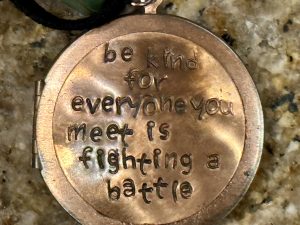
I recently spoke to high school journalism students about listening being the secret to conducting interviews and writing stories. They asked about my necklace with a locket that reads, “Be kind for everyone you meet is fighting a battle.”
The locket’s message of understanding the struggles of others is simple, but that humanity is hard to reach when politics, distrust, and stereotypes set our worst thoughts and emotions free.
While politics and news are driving us apart, there are few national leaders encouraging our better sides to rise up and take action. There is little common cause or purpose keeping us connected.
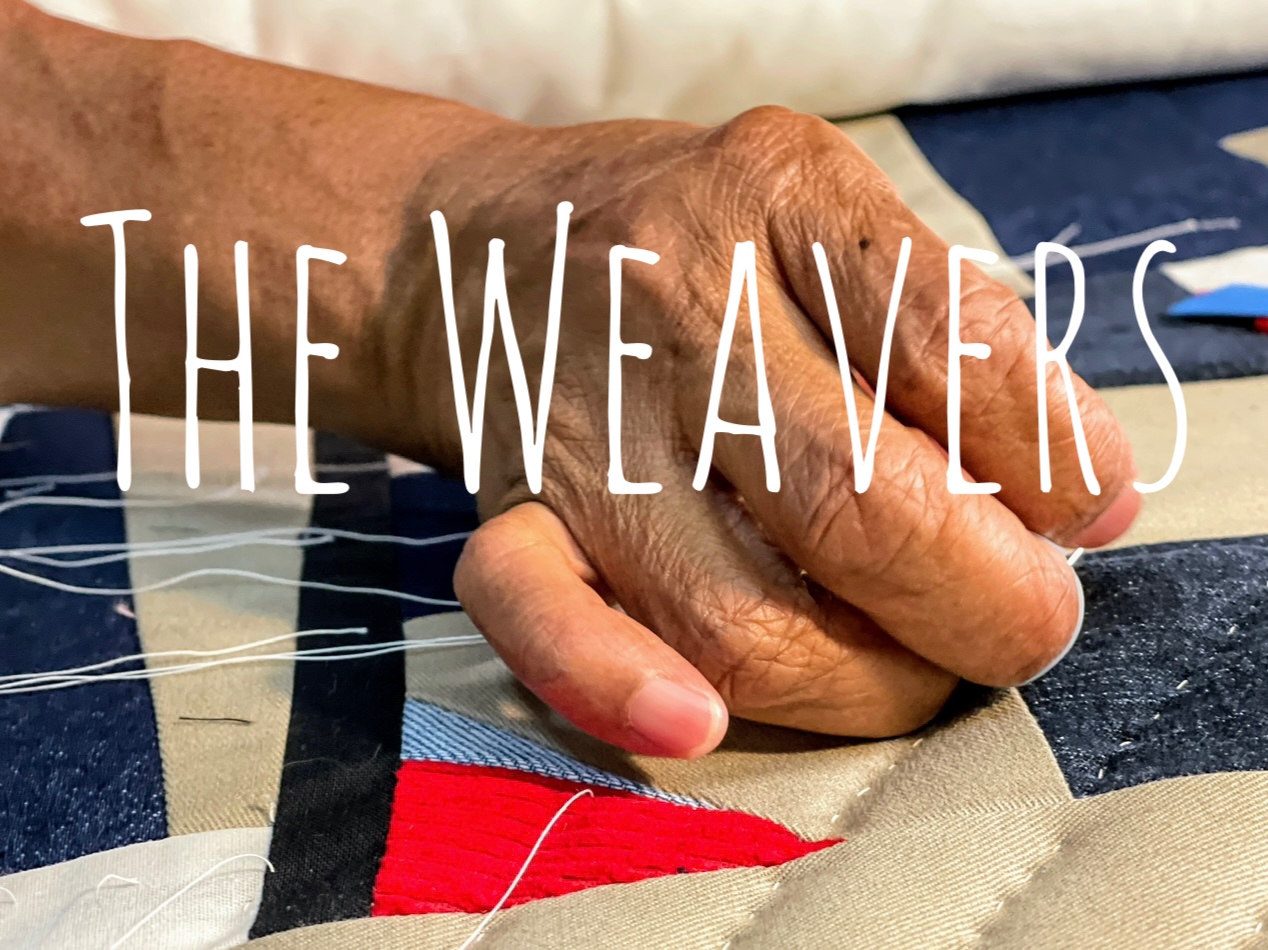
When I feel hopeless about our country, I re-read David Brooks’ opinion piece, A Nation of Weavers, that ran in The New York Times. He explains that social isolation is at the root of our problem, but hope comes at the local level from those building communities and weaving the social fabric.
Brooks calls these problem solvers “Weavers” and writes: “Whether they live in red or blue America, they often use the same terms and embody the same values — deep hospitality, showing up for people and keep showing up. They are somewheres, not anywheres — firmly planted in their local community.”
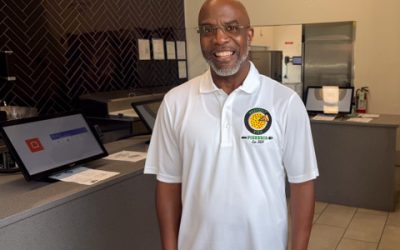
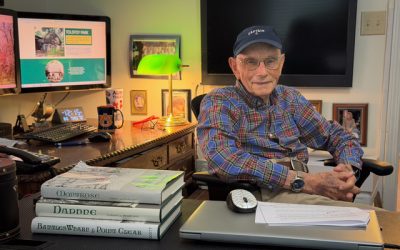
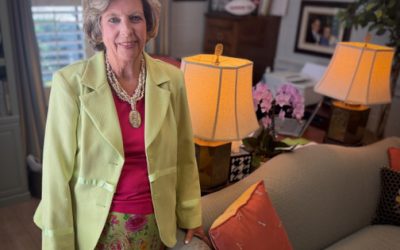
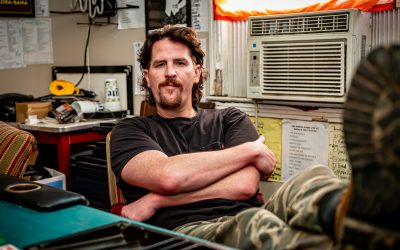
The Weavers are all around us: helping the homeless, feeding the hungry, taking in someone else’s kids, or greeting each customer with a smile and a silent prayer while bagging groceries.
They pull others out of the same ditches they were once stuck in.
Weavers are a former teenage mother who started a non-profit helping the next generation of teenage parents; a man once deep in addiction providing peer support and getting others into drug treatment and recovery; a hairdresser freed from an abusive marriage making women look better on the outside and feel better on the inside.
Weavers are in every community stitching hearts and souls together one kindness at a time. Giving all they have, they say they get much more in return.
Communities can change when even a few people show a better way. Over the next few months, I will tell stories on Our Southern Souls of Weavers around the South. Send nominations of folks from your community, and I will talk with as many as I can.
Each of us can be a Weaver instead of a ripper—adding stitches to pull our communities closer together instead of tearing them further apart.
Lynn
(To nominate a Weaver, send a message through the website with information about your person.)
0 Comments