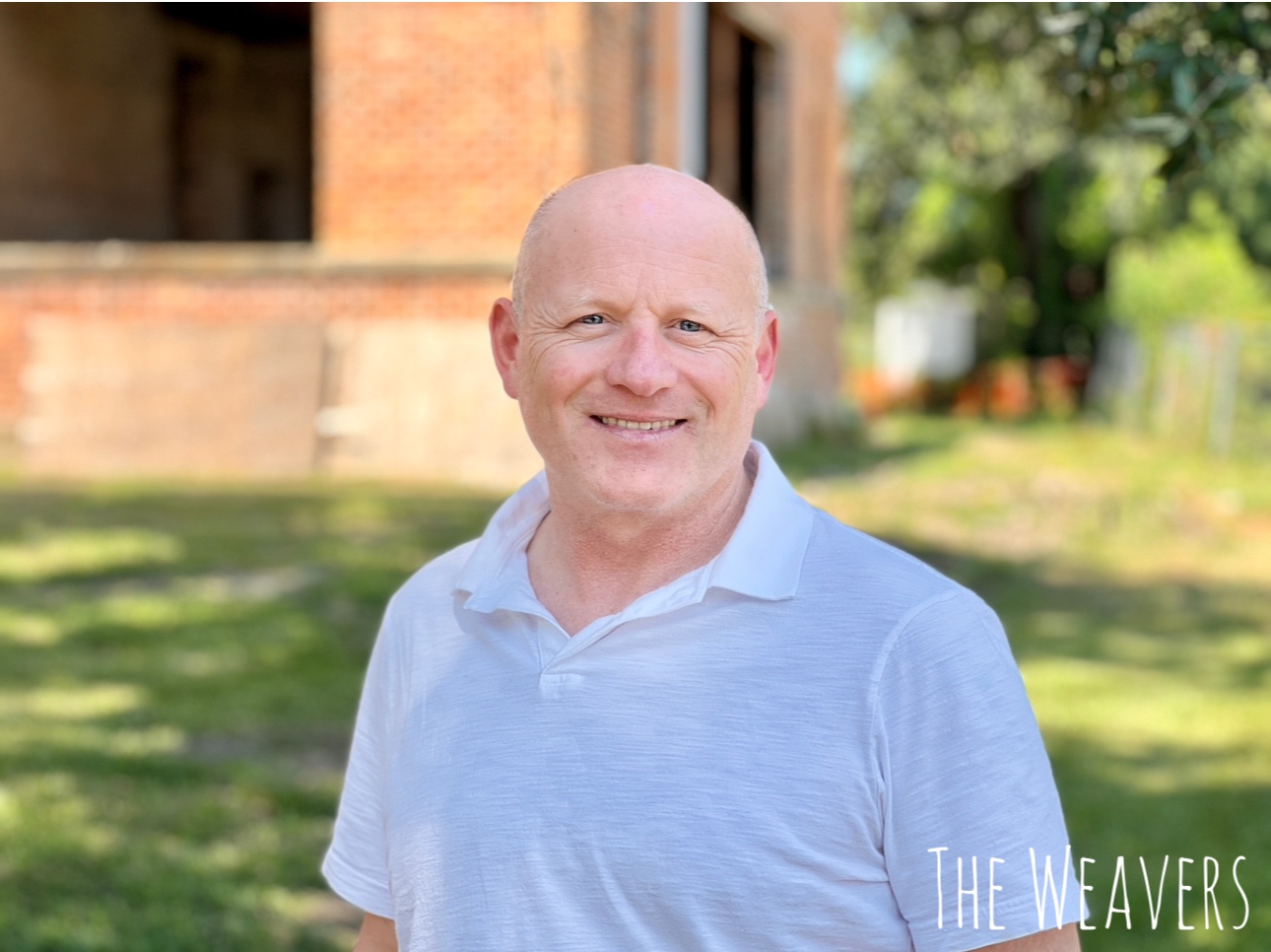
“I have been self-sufficient since I was 13. My dad left, so I took care of my mom and my sister. I made money cutting grass up and down Highway 43 in Mobile and did odd jobs to pay our house payments and buy groceries. I loved photography and bought a camera on credit. I shot my first job for pay at age 16.
I was also a full-blown alcoholic by age 13 or 14. I came by it honestly and followed generations of mental illness and addiction in my family.
I was drinking all of the time. Everyone else around me was doing the same, so it seemed normal. In high school, I was a photographer for the yearbook and a football player. I was kicked off the yearbook staff for drinking on campus. The discipline of football kept me just between the hedges until football season ended my senior year, then I was off to the races.
I joined the Marine Corps two days after graduation. I was 17 years old and detoxed on the bus from Mobile to Parris Island, SC. The Marines were my escape and gave me the structure, order, and accountability that I didn’t get from my family.
I put myself through college at the University of South Alabama, but I didn’t stop drinking. I worked five jobs and had my own photography business. Midway through fall of 1990, my Marine Corps Reserve unit (3rd Force Recon Company) was activated for Desert Storm.
I dropped out of school and found that I did well in the military environment, but I was a mess with all sorts of issues when I came back home.
I was drinking hard and not addressing my problems, but I finished my business degree at Spring Hill College. I walked at graduation in 1994, but I needed one more class. I took a theology class and learned there was a spiritual solution to my lifelong problem. I kept taking theology classes because I liked them.
In 1995, I got married and started a new photography business. That took a toll on me and I needed help. I stopped drinking on April 18th, 1996.
Joe and Carol Peterson led Recovery Resources, and I went through their program and began attending 12 step meetings. I have been sober ever since, but I have to work on it every day. The twelve-step community became my fellowship and a big part of my life.
I transferred from the Marines and joined the Army National Guard in 1997. I was commissioned as a medical service officer.
I was deployed again in 2004 and helped get twelve-step meetings started in Kosovo, working with the leading addiction doctor there to help other soldiers. Everyone knew that I was sober and sent soldiers to me.
I also helped start a twelve-step meeting at the Pentagon and worked on expanding a confidential alcohol treatment program through the Army Substance Use Program. Through my experience, I helped the senior Army leaders realize that a successful program must be more than clinical, it must have fellowship and ways for soldiers in recovery to connect with one another.
When I returned to Mobile, people sent veterans to me for help. Southwest Alabama has 65,000 veterans, one of the largest veteran populations in the country, and there is a gap in behavioral, mental health, and residential care here.
We have had a mental health crisis in Alabama for many years. Throw in 20 years of nonstop war with multiple deployments, an opioid crisis, and a pandemic on top of that, and our mental health crisis was getting worse. Resources for veterans were hard to find.
In 2014, Congress passed the Veterans Choice Act enabling veterans to get healthcare from a provider in their community if the VA was unable to meet their needs. This was a way to get veterans timely treatment.
I am an entrepreneur with over 25 years of military healthcare experience and wanted to create a better system with a nonprofit organization to treat veterans whether or not they could pay, but also with the sustainable funding to be a viable business. I created Veterans Recovery Resources (VRR) and met Dr. Joe Currier, a professor of psychology, at the University of South Alabama who had spent his professional career primarily serving veterans and studying moral injury. We started VRR in May of 2015, and I was deployed to Kuwait a month later. I used my free time that year to write the programming and formation documents.
I came home the next year and went back to school to get my master’s degree in social work at the University of Alabama.
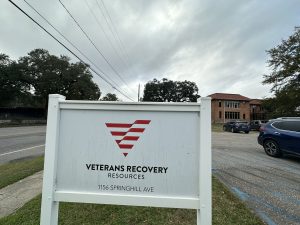
We launched Veterans Recovery Resources in November of 2017. Operating out of the Fuse Factory, we received referrals from the VA before we opened. We saw patients in their homes, homeless camps, at the library, or in the parking lot at Burger King. We went wherever veterans were and had a full caseload months before we opened our outpatient clinic in November of 2018.
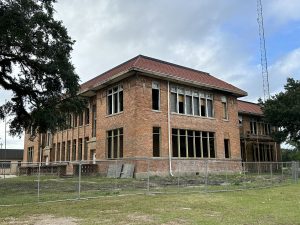
We are currently renovating the historic school next to our outpatient clinic to create the first Detox & Residential Treatment Facility in South Alabama. Our VRR treatment center will provide substance abuse and suicide prevention treatment with eight beds for detox, 16 beds for residential care, and 10 beds for respite care that can be for homeless veterans. The facility is on track to open next November.
We received a large grant from the Robert Wood Johnson Foundation to integrate peer support into our clinical program. We treated a Marine who was also a firefighter, and soon after we helped the Mobile Fire-Rescue Department create a culture of health with peer support and culturally competent care for firefighters. We expanded our mission to include first responders.
Last year, VRR received a two-year, $4million grant from the Substance Abuse and Mental Health Services Administration to become a Certified Community Behavioral Health Clinic and now employ over 30 folks. We have served more than 1000 veterans and first responders in this clinic (and thousands more in the community) since we opened in November of 2018.
This whole thing started because I realized I needed fellowship and community to stay sober.”
John
0 Comments