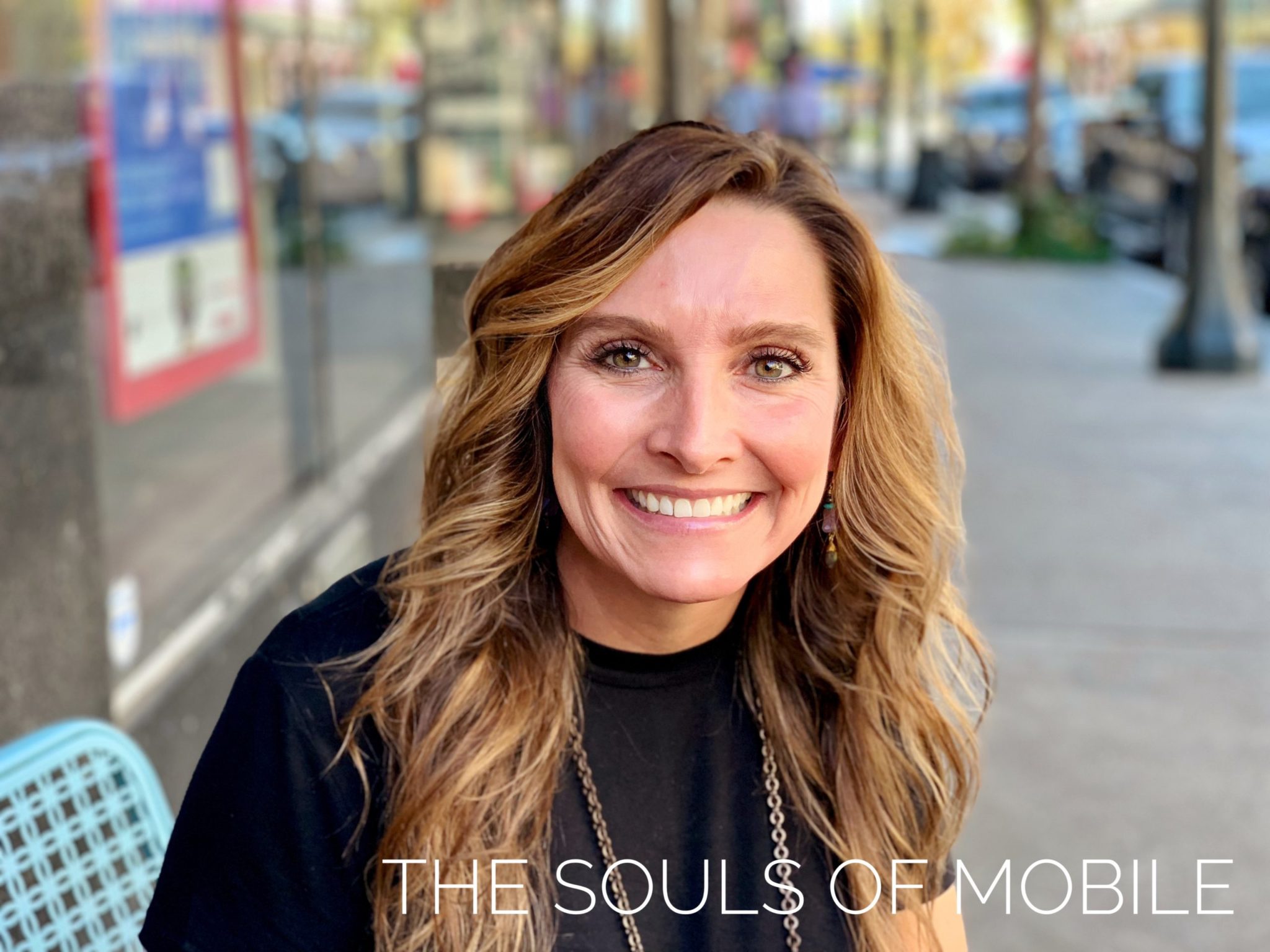
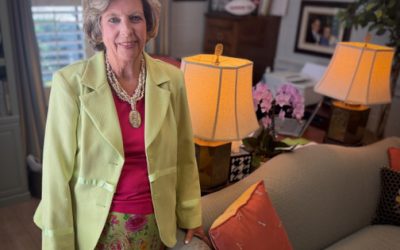
“I grew up in Ocean Springs and went to college at South. I fell in love with Mobile and my husband here so we stayed. My mom was a social worker and caring for people is how she raised us. I was studying premed but changed and got my master’s degree in counseling. I was asked to fix Big Brothers Big Sisters of South Alabama and thought okay and then on to my real plan. That was 2007. I fell in love with this program and these kids and became Executive Director.
Becoming a Big Sister changed my life. I grew up with a single mom who worked all of the time and it wasn’t easy, but my grandparents filled in the gaps. I know how important the safety net of family and friends can be. I started with my Little when she was in sixth grade at Pillans Middle School and she became part of our family. She graduated from the Citadel Military College in Charleston and is in nursing school now. Her mother, who is a wonderful single mother, has seven kids. She saw the value of her kids having other advocates and mentors exposing them to different sides of life. We both have Kim’s best interest at heart and give her different perspectives. The relationships can last this long.
These personal relationships with children is where the rubber meets the road for social change in Mobile, for whatever you care about. We serve children in foster care, raised by grandparents, raised by single moms and dads. Single mother is the most common denominator with our kids. We have so many Littles who have lost at least one parent.
Right now we have 600 Bigs and 600 Littles. We are at capacity, but we must find a way to serve more. We have so much research that says relationships with Bigs keep kids out of the juvenile system who have a high probability of ending up there. If there is deep poverty, multiple siblings, a parent incarcerated, or a single parent, you have a 70 percent chance of following in the same footsteps. But research and our history shows exposure and having someone walk with you gives you a different and better path. We had a family where all of the children except one boy got a Big. The children with Bigs graduated from high school and went to college. The boy without a Big was arrested on a gun charge. We have a shortage of men and didn’t have a Big at the time the boy was open to it. He veered and it was too late.
Too late and turning kids away is what keeps me up at night. Kids stop me in the halls of schools asking me how to get a Big. There are so many kids who want these friendships and they are more open-minded than you expect. We serve children ages 6-18, but the younger we get them the better. They are killing it at school and are good, moldable kids, but they are acting out because they are starved for attention and accountability. We provide academic and emotional support, equipping them to make better decisions and reach their full potential before the problems happen.
We are in six counties in Alabama and just added three on the Mississippi Gulf Coast. We are donor-supported and don’t charge anything. We recruit volunteers. Raising money and finding Bigs is difficult. There are so many more kids we can serve, but the funds and Bigs determine that. The kids, parents, or guardians also have to be willing participants or this doesn’t work. There is a ripple effect that goes into the families of Bigs and Littles that lifts all sides.
I call our Bigs a silent army. It is so personal and most don’t talk about their relationships. But we are limiting ourselves by remaining silent and need everyone talking about Big Brothers Big Sisters to get the word out into the community. Anyone can help our Littles. Donors and Bigs. People who give experiences to our matches or who can open doors and give opportunities to others. Maybe let your employees be mentors during work time. An artist or musician can create an experience for Bigs and Littles to share together. We are approachable and want to be innovative. Helping others helps yourself. Once you experience that, you can’t stop. It gives such clarity of what is important.
I feel hopeful every day. I see the children in our community who are excited and eager to learn, but along the way that gets stamped out and the behavior issues begin. The solutions to Mobile’s problems are already here with programs like this. We must maximize the services available, then we can clarify where the gaps are. Mobile has so much potential, but it backs into our kids. Think about the future of Mobile if all of our kids are reaching their potential and purpose.”
Aimee Risser
(This is the fourteenth and final story in the series “The Souls of Mobile,” with people nominated because of the good they do for the city. Their faces are now part of the mural “The Souls of Mobile” that Ginger Woechan painted on Hayley’s Bar on Dauphin Street in Mobile. This mural is a collaboration with the Mobile Arts Council.)
0 Comments