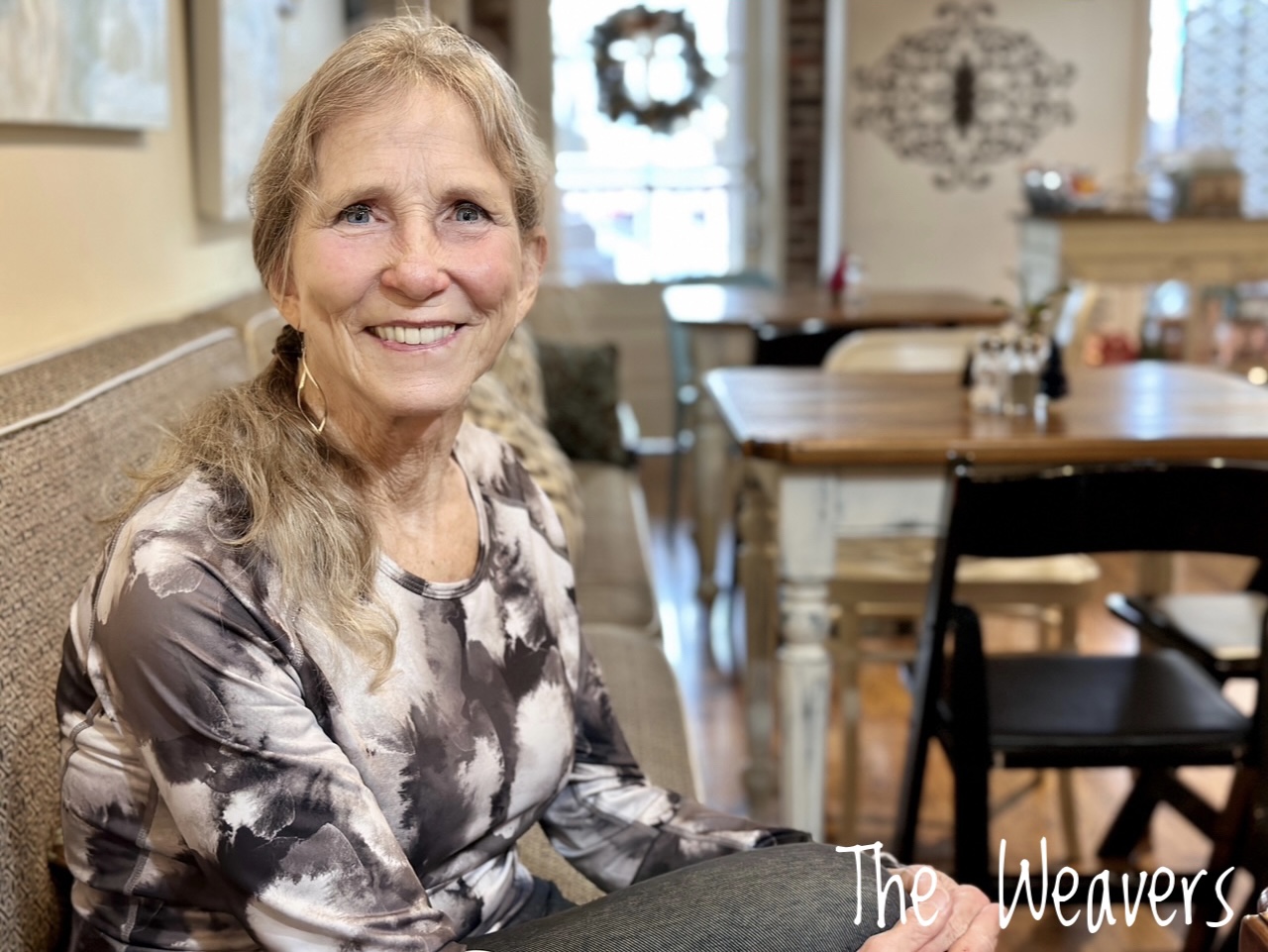
“I grew up in Carroll County in the hills beyond the Mississippi Delta. My father was the president of two banks. He was also a strict segregationist and a member of the Citizens’ Council. He believed integration would be the downfall of civilization and that the races shouldn’t mix. I grew up in that environment, but his views didn’t rub off on me.
I got pregnant when I was 17 and eloped so I wouldn’t bring shame to my family. A pregnancy like that was always the woman’s fault, so I took the blame and lived the shame. I am sure my parents figured it out, but we never discussed it. If I hadn’t married, I would have been sent off somewhere. Instead, I was married for 27 years to a physically and mentally abusive man. I lost confidence in myself, but I loved our three daughters and made it work.
I went to college at the University of Southern Mississippi in 1963. I started in accounting and loved it, but a woman couldn’t get a job as an accountant, so I switched to education. Women couldn’t even wear pants on college campuses.
I got my master’s degree in English and started teaching at Holmes Community College the first year it was integrated. I was 23 years old, and most students were close to my age. My father always asked how my Black students were doing. I told him that I had some really good Black students and some really good White students. I also had some really bad Black students and some really bad White students. Ironically, a Black student wrote an essay about my father helping his family keep their land. My father was a segregationist, but he was also paternalistic and helped everyone, whatever color they were. People have many sides, and stories like this are why the South is hard to explain.
I taught students who were the first in their family attending college and Vietnam veterans returning from war and entering college on the G.I. bill. There was much they couldn’t talk about.
We read William Faulkner’s book Light in August, and one of the veterans called my attention to this line: ‘Memory believes before knowing remembers. Believes longer than recollects, longer than knowing even wonders.’ That blew my mind. I learned so much from my students.
My husband died from lung cancer in 1990. Two years later, my oldest daughters married, and my youngest daughter graduated from high school. That was a difficult year of change, but it was also a new beginning. I had taught enough years to retire and also received my husband’s pension, so I enrolled at Ole Miss to follow my dream of getting a PhD in English.
It was a hard six years, but when I graduated I thought I could do anything. I was 52 and joined the Peace Corps. I went to the Philippines and taught in the English language assistance program for two years.
My mother died, and I moved back to Carrollton into the home she left to me. I also returned to teaching college students and reconnected with Hardin, a boy I dated in junior high. We had both married other people and didn’t see each other for 30 years until we reconnected. We just had our 21st anniversary.
Carrollton is still backward and divided with race relations, but we are a more cosmopolitan community than most people realize. We have Muslims, Mexicans, Indians, and who own businesses and Filipinas living here; they all stay on the periphery. I helped form a group called All God’s Children that started as a racial healing circle. It is one small step at a time, but we are trying to bring our cultures together. I also volunteer with Kairos prison ministry and go twice a month for prayer and share with the women at the Central Mississippi Correctional Facility.
I dream of Carrollton becoming an oasis of people working together in racial healing and multicultural interactions. This can be a little piece of heaven on earth, but we need people willing to act for the good of the whole community. That takes getting to know each other and realizing what’s good for you is what’s good for me.
There is a vast world out there. All I know is my limited point of view. I want to learn from you, so I will know more, too.”
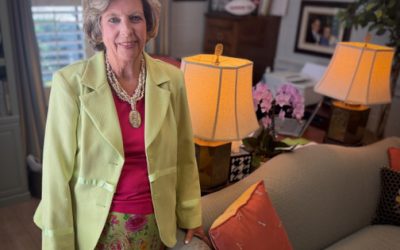
Josephine
—————————————————
Josephine’s story is a part of a series about the Weavers—people stitching our communities together, solving problems, and showing how to care for our neighbors. Send a message to Our Southern Souls to suggest a Weaver from your community to be featured on Souls.
0 Comments